
How Long Does It Take to Install an Inground Pool?
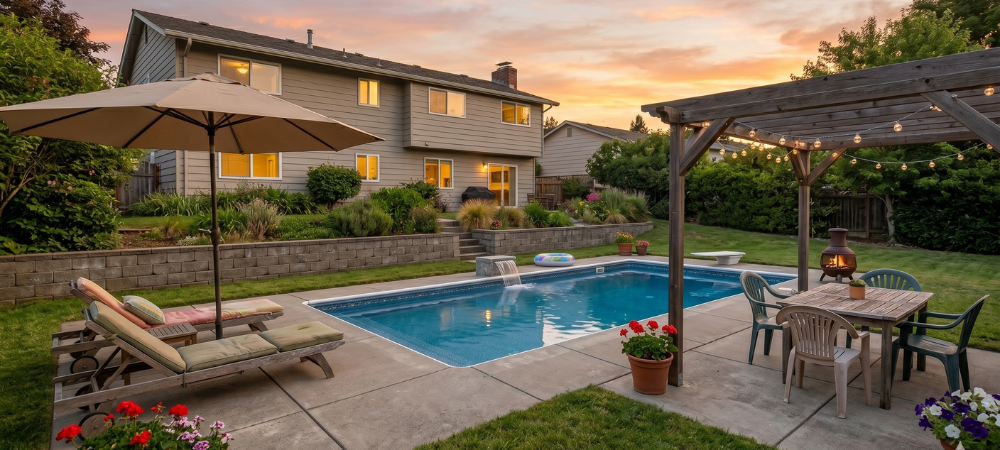
The short answer: most inground pool installations take 8 to 12 weeks from start to finish. But depending on the type of pool you choose, your local permit process, weather conditions, and contractor availability, your timeline could be shorter or significantly longer.
If you're dreaming of a backyard pool and wondering when you can actually start swimming, this guide breaks down every stage of the process so you know exactly what to expect.
The Average Inground Pool Installation Timeline
For most homeowners, the full process — from initial design consultation to your first swim — spans 8 to 12 weeks. That said, this window doesn't account for the planning and permitting phase, which can add several more weeks before construction even begins.
How Pool Type Affects Your Timeline
The single biggest factor in how long your pool takes to install is the type of pool you choose. Each material has a very different construction process.
Fiberglass Pools: 3–6 Weeks
Fiberglass pools are the fastest option on the market. The shell is pre-manufactured off-site and delivered to your yard, where it's craned into the excavated hole and set in place. Because there's no on-site forming or curing, the active construction phase can be completed in as little as three weeks once permits are approved.
Best for: Homeowners who want to get in the water as quickly as possible and prefer low-maintenance surfaces.
Vinyl Liner Pools: 6–8 Weeks
Vinyl liner pools fall in the middle of the timeline spectrum. The steel or polymer frame is assembled on-site, the liner is fitted and stretched into place, and the pool is then filled. There's no curing time required, making the construction phase relatively predictable — typically 3 to 5 weeks of active work after permits are secured.
Best for: Homeowners who want design flexibility at a lower price point than concrete.
Concrete / Gunite Pools: 8–12+ Weeks
Concrete pools are the most customizable option, but they're also the slowest to build. After excavation, a steel rebar framework is assembled and gunite (a mix of cement and sand) is sprayed on and shaped. The concrete must then cure for several weeks before the interior finish — typically plaster, pebble, or tile — can be applied.
Best for: Homeowners who want a fully custom design, unique shapes, or built-in features like beach entries or vanishing edges.
Phase-by-Phase Breakdown
1. Design & Planning (1–4 Weeks)
Every pool project starts with a consultation. You'll work with a pool designer or contractor to select your pool's size, shape, depth, and features — everything from tanning ledges to lighting to water features. Many builders now offer 3D renderings so you can visualize the finished product before breaking ground.
This phase can move quickly if you know what you want, or take several weeks if you're comparing options or waiting on designer availability.
2. Permits & Approvals (1–6+ Weeks)
Permits are one of the most underestimated parts of the pool installation process. Most municipalities require a residential building permit before any construction can begin, and approval timelines vary widely. Some cities turn permits around in a week or two; others require planning board meetings, HOA approvals, or sign-off from a licensed engineer, which can push the wait to several months.
Pro tip: Start the permit process as early as possible — ideally before you've finalized your contractor. Every week you wait is a week added to your timeline.
3. Site Preparation & Excavation (1–3 Days)
Once permits are in hand, construction moves fast — at least at first. Excavation typically takes one to two days for most residential pools. The crew will clear the area, mark utility lines, and dig to the required depth and dimensions.
Complications can arise if your yard has rocky soil, poor drainage, or restricted access for heavy equipment, which may add time and cost.
4. Plumbing & Electrical Work (1–2 Weeks)
Rough plumbing and electrical runs are installed during or shortly after excavation. This phase includes the pipes for water circulation, the conduit for lighting and equipment, and connections to your filtration system. Inspections from local building officials are often required at this stage before work can continue.
5. Pool Shell / Structure (1–8 Weeks)
This is the most variable phase, and the timeline depends entirely on your pool type (see above). Fiberglass pools are set and backfilled quickly. Vinyl liner pools are assembled and fitted over the course of a week or two. Concrete pools require the most time due to the gunite application and mandatory curing period.
6. Finishing Touches (1–2 Weeks)
Once the shell is complete, the crew installs coping (the edge material around the pool), deck surfacing, tile work, lighting, and any water features. Equipment — pumps, filters, heaters, automation systems — is installed and tested. For concrete pools, the interior finish is applied and the pool is filled with water.
7. Final Inspection & Startup (1–2 Weeks)
Most jurisdictions require a final inspection before the pool can be used. An inspector will verify that the structure, safety features, electrical systems, and plumbing all meet local code. Once you pass, your pool contractor will balance the water chemistry and walk you through how to operate and maintain your new pool.
What Can Delay Your Pool Installation?
Even the most organized pool project can run into delays. Here are the most common culprits:
- Permit delays — The most frequent cause of timeline extensions. Busy permitting offices, missing documents, or required HOA approvals can add weeks.
- Weather — Rain, freezing temperatures, and high winds can halt excavation, concrete work, and finishing. Spring installations are particularly vulnerable to weather delays.
- Contractor availability — Pool builders are in high demand from late spring through early fall. Booking a contractor during peak season often means a longer wait before construction can begin.
- Supply chain issues — Shortages of equipment, liners, or materials can push out delivery and installation dates.
- Soil conditions — Rocky ground, high water tables, or expansive clay soils can complicate excavation and require additional site work.
- Change orders — Design changes mid-project almost always add time and cost.
When Is the Best Time to Start?
If you want to be swimming by Memorial Day, you need to start planning in the fall or winter. Here's why: even a straightforward pool project needs several weeks of planning and permitting before a single shovel hits the ground. Add 8–12 weeks of construction, and the math adds up quickly.
Fall is often considered the ideal time to install a pool. Contractors tend to have more availability, and starting in the fall means you'll be ready to swim right as the next summer season begins.
Spring installations are popular but come with a catch — contractors are in high demand, permit offices are backed up, and weather delays are more likely. If you're aiming for a spring build, lock in your contractor and start the permit process before the end of winter.
Frequently Asked Questions
What is the fastest type of inground pool to install?
Fiberglass pools are consistently the fastest, often completed in 3 to 6 weeks of active construction after permits are approved.
Can an inground pool be installed in less than a month?
In ideal circumstances — quick permits, good weather, fiberglass pool — some installations have been completed in three to four weeks. But this is the exception, not the rule.
Does the permitting process count toward the installation timeline?
It depends on how you define the timeline. Permitting happens before construction begins, but it's a real, time-consuming part of the overall process that homeowners must plan for.
What happens if there are unexpected issues during excavation?
Unexpected soil conditions, buried debris, or utility line conflicts can add time and cost. A reputable contractor will communicate these issues immediately and provide revised timelines.
How far in advance should I book a pool contractor?
During peak season (spring and summer), booking 3–6 months in advance is advisable. Off-season bookings in fall or winter often come with more flexibility and faster start dates.
Bottom Line
Installing an inground pool is a rewarding project, but it requires patience and planning. Budget for a timeline of 8 to 12 weeks of construction, plus additional time for design, permits, and any unexpected delays. Choose your pool type wisely — fiberglass gets you in the water fastest, while concrete gives you the most creative freedom. And above all, book your contractor and start your permits earlier than you think you need to.
Ready to get started? Contact us today for a consultation and personalized timeline estimate.